
Target localized fat
Treat selected areas such as the abdomen, flanks, thighs, arms, neck, chest, or back.
Body contouring · Newport Beach
Medically reviewed by Dr. T. Y. Steven Ip, MD, FACS, board certified plastic surgeon · Updated
Goals · Options · Recovery · Safety
Liposuction removes localized fat through small incisions and suction-assisted cannulas. It is designed for contouring selected areas, not treating obesity or replacing healthy habits. Discuss what may be appropriate with board-certified plastic surgeon T. Y. Steven Ip, MD, FACS.
A guide for your decision
Dr. Ip evaluates fat distribution, skin elasticity, muscle contour, asymmetry, health, and whether liposuction alone or a skin-removal procedure better fits the concern.
Candidates are generally near a stable weight, have localized fat and useful skin elasticity, are healthy enough for surgery, and understand that loose skin may require a different procedure.
A consultation is for information—not pressure.
Ask questions, compare alternatives, understand recovery and risks, and decide whether treatment fits your goals.
Treat selected areas such as the abdomen, flanks, thighs, arms, neck, chest, or back.
Improve contour relationships between adjacent areas rather than simply removing maximum volume.
Coordinate liposuction with a tummy tuck, arm lift, thigh lift, or other procedure when loose skin is also present.
Your options
Technique, extent, anesthesia, and combination procedures depend on anatomy, health, goals, and the tradeoffs you are comfortable accepting.
Uses fluid containing medication to support controlled fat removal and reduce bleeding.
Uses a mechanically assisted cannula to help treat selected tissue efficiently.
Ultrasound or laser-assisted approaches may be considered for specific areas or tissue characteristics.
Customize your liposuction
Open each region for the source-backed treatment details. Anatomy, skin quality, safety limits, and adjacent contours determine what may be appropriate.
Upper-body planning considers the relationship between each treatment area, skin elasticity, existing contours, and whether loose skin requires a different procedure.
Lower-body liposuction is planned by area and by how neighboring contours transition into one another—not by removing the maximum possible volume.
Planning and timing
Timing depends on stable health, stable weight, recovery from major body changes, and whether the concern is localized fat rather than loose skin or muscle separation.

Liposuction is not a weight-loss procedure. It may be considered after weight has stabilized to refine localized fat that remains resistant to diet and exercise. Skin elasticity matters: patients with substantial loose skin may need a skin-removal procedure instead of, or in combination with, liposuction.
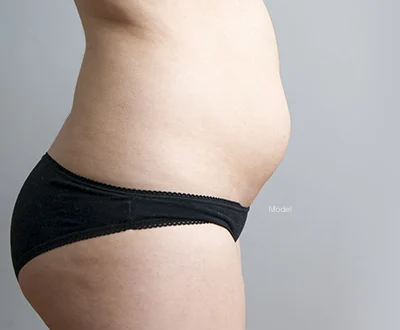
Pregnancy can change fat distribution, skin, and abdominal muscles. After childbirth, recovery, breastfeeding, and weight stabilization should be complete before elective contouring is considered. Liposuction can address selected fat, while loose skin or muscle separation may require a tummy tuck or another plan.

Genetics, aging, hormones, and weight changes can influence where fat is stored. When localized fullness remains despite stable habits and overall weight, liposuction may help refine that area. A consultation is necessary to distinguish treatable fat from loose skin, muscle contour, or other causes of shape.
Detailed procedure guide
This expanded guide restores the original procedure-page detail while keeping recovery, risks, and recommendations subject to your personal consultation and current medical guidance.
For many people, looking good means having a lean and trim figure. And for those who cannot accomplish this with regular diet and exercise, liposuction has become their solution. Liposuction is a surgical method of reshaping of a patient’s body by removing excess fat from specific areas including the neck, arms, the abdomen, thighs, hips, and buttocks. Liposuction is not recommended as a tool for weight loss. However, it is a great option for patients who have achieved stable weight but still have some lingering fat in certain places.
Dr. Steven Ip recommends liposuction for patients who have excessive amounts of body fat in certain areas of their bodies that are not getting leaner despite efforts being put into diet and exercise. These areas that normally require liposuction include the neck, chest, arms, the back, hips, buttocks, thighs, calves, and ankles. In other cases, liposuction can also be used as an adjunct procedure for reduction mammoplasty or reducing the size of the patient’s breasts.
In preparation for the surgery, the surgeon marks the areas of the body requiring liposuction. Additionally, photographs of the patient’s trouble areas will be taken, and will be used as a reference after the procedure. Prior to the procedure, patients may be put under local or general anesthesia to minimize discomfort.
To view more of Dr. Ip’s liposuction cases, click here to view our photo gallery.
Right after the procedure, patients are expected to experience swelling, bruising, and discomfort at the treated areas, requiring them to keep physical activities at a minimum during recovery. Compression garments may be worn at this time to help control swelling. Pain medication will be prescribed to help control post-operative pain, and antibiotics to help minimize the risk of infection.
If you have any questions, or if you want to learn more about liposuction, please call Dr. Ip at (949) 548-0300. For a consultation, or to setup an appointment click here. Proudly serving Newport Beach and Beverly Hills.Before & after
These photographs show individual patients treated by Dr. Ip. Results vary, and photographs cannot predict your outcome.
View more patient results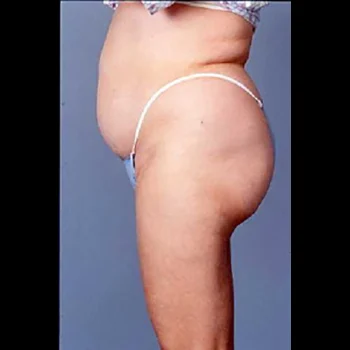
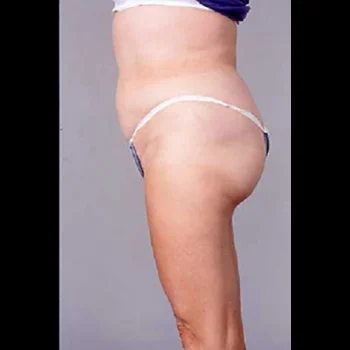
Patient 1
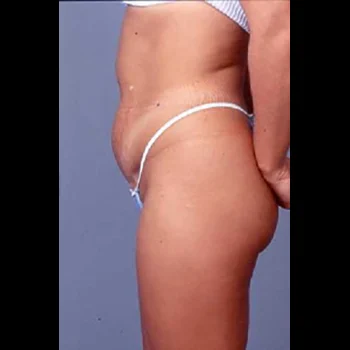
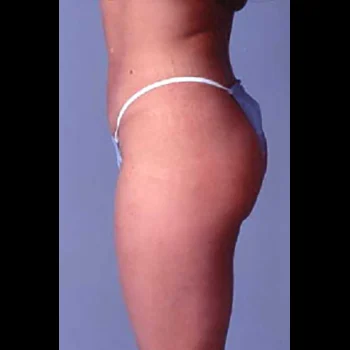
Patient 2
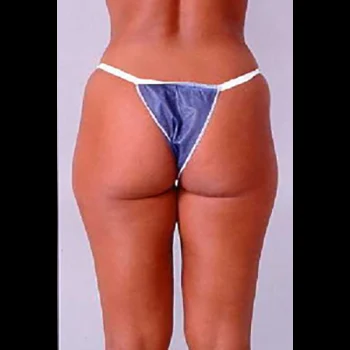
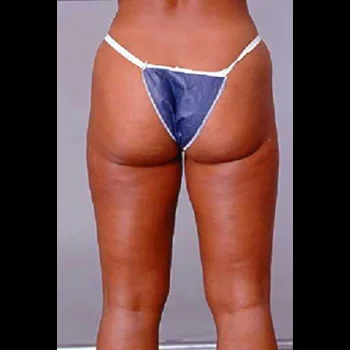
Patient 3
Recovery and informed consent
Local anesthesia with sedation or general anesthesia may be used depending on the areas and volume treated.
ASPS liposuction overviewRecovery
Bruising, swelling, drainage from small incisions, compression garments, soreness, and temporary numbness can occur. Activity and exercise return depend on treatment extent and combination procedures.
Risks
Risks include bleeding, infection, fluid shifts, contour irregularity, asymmetry, numbness, skin injury, blood clots, fat embolism, anesthesia complications, or revision.
Results
Removed fat cells do not regenerate in the same way, but remaining cells can enlarge with weight gain. Stable weight supports long-term contour.
Your path forward
Use the consultation to compare approaches, ask detailed questions, and understand the plan recommended for your goals and anatomy.
Choose the office that works for you and begin a private conversation with the practice.
Meet with Dr. Ip to review your concerns, anatomy, appropriate options, and realistic expectations.
Leave with a personalized recommendation and the information you need to choose your next step.
Liposuction FAQ
General education cannot replace an examination or individualized medical advice.
Request a ConsultationCandidates are generally near a stable weight, have localized fat and useful skin elasticity, are healthy enough for surgery, and understand that loose skin may require a different procedure.
Dr. Ip reviews your goals, health history, anatomy, alternatives, expected recovery, risks, and realistic outcomes. The recommendation is individualized; a consultation does not obligate you to schedule treatment.
Local anesthesia with sedation or general anesthesia may be used depending on the areas and volume treated.
Bruising, swelling, drainage from small incisions, compression garments, soreness, and temporary numbness can occur. Activity and exercise return depend on treatment extent and combination procedures.
Risks include bleeding, infection, fluid shifts, contour irregularity, asymmetry, numbness, skin injury, blood clots, fat embolism, anesthesia complications, or revision.
Removed fat cells do not regenerate in the same way, but remaining cells can enlarge with weight gain. Stable weight supports long-term contour.
A consultation is the next step for confirming candidacy, comparing options, and reviewing risks and realistic expectations.